
Introduction: What Is the RTX 50-Series?
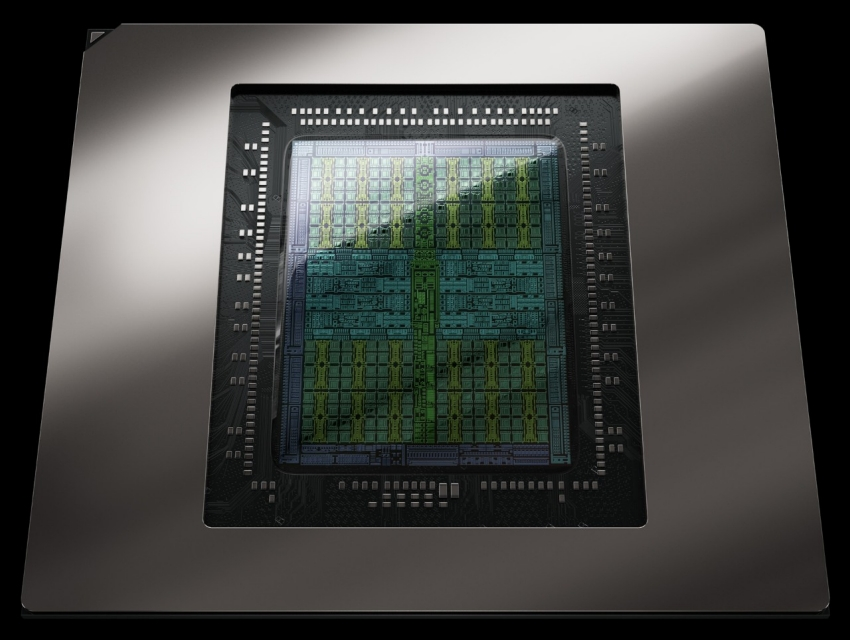
The NVIDIA GeForce RTX 50-series is built on the new Blackwell architecture and represents a major leap forward in AI acceleration, ray tracing, memory bandwidth, and overall efficiency.
These GPUs are designed not only for gaming, but also for video editing, 3D work, and AI development.
Performance Improvements at a Glance
The RTX 50-series delivers meaningful upgrades compared to the 40-series:
- Higher AI and Tensor performance
- More advanced ray tracing
- Better performance per watt
- GDDR7 memory with higher bandwidth
- DLSS 4 support
- Improved AV1 encoding
This makes the 50-series ideal for gamers, creators, and AI users.
Gaming Performance
1080p
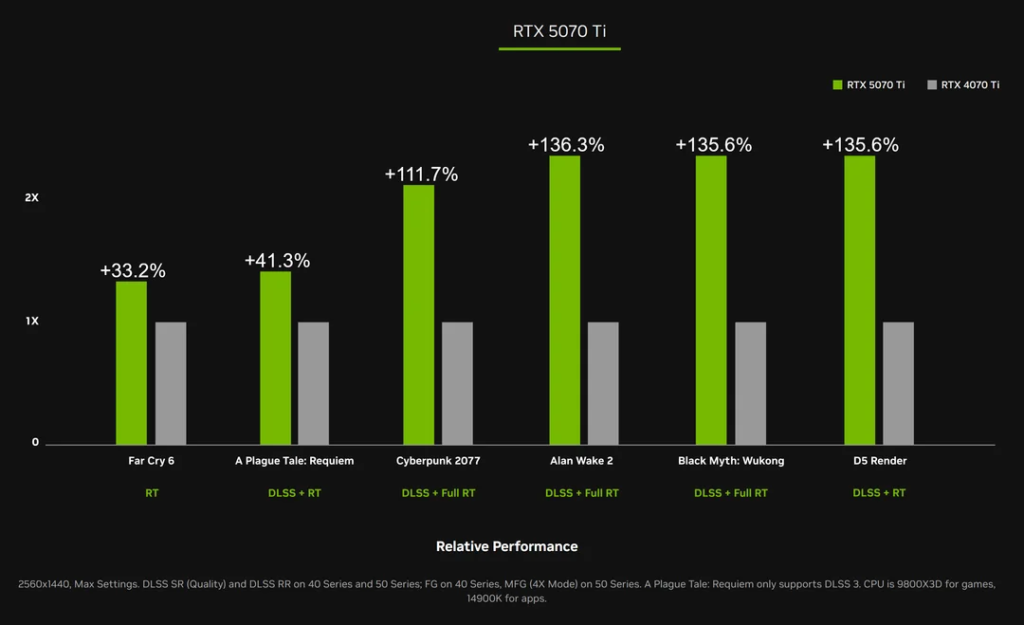
20–40% FPS improvement depending on the game.
Great for high refresh-rate esports and competitive titles.
1440p
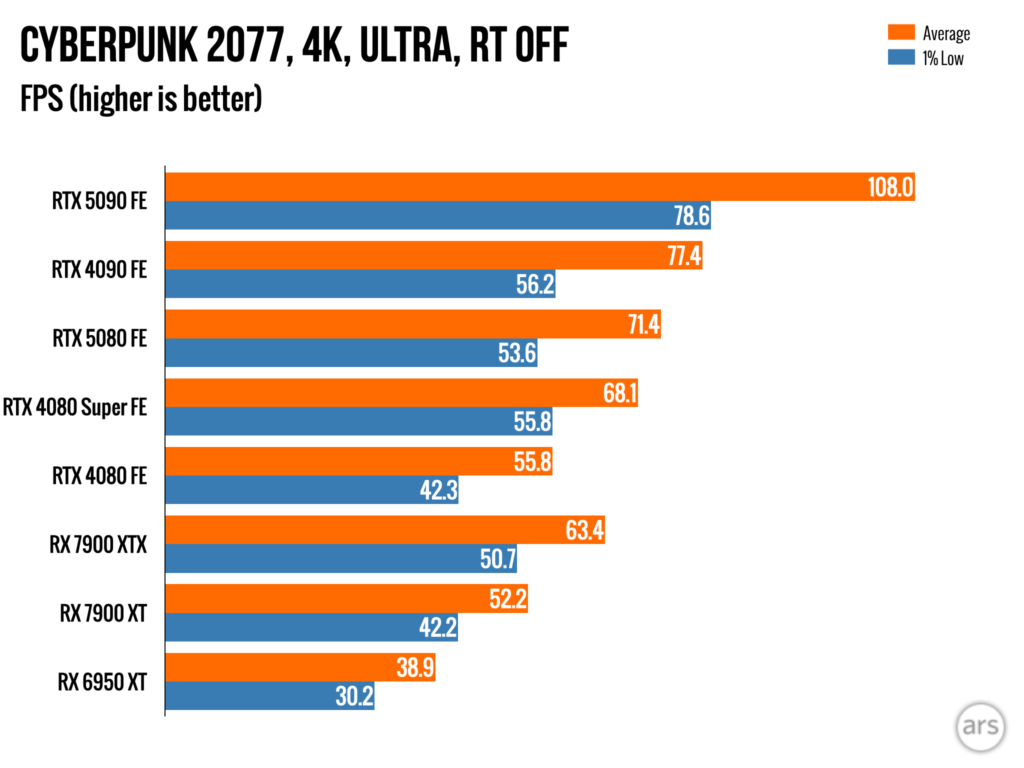
Strong uplift, making 1440p the best all-around resolution for performance and visuals.
4K
With DLSS 4, even mid-range 50-series cards perform very well in 4K gaming.
Ray Tracing
New RT cores provide noticeably higher ray tracing performance than previous generations.
AI and Productivity
The 50-series is designed with modern AI workloads in mind, offering:
- Faster Stable Diffusion image generation
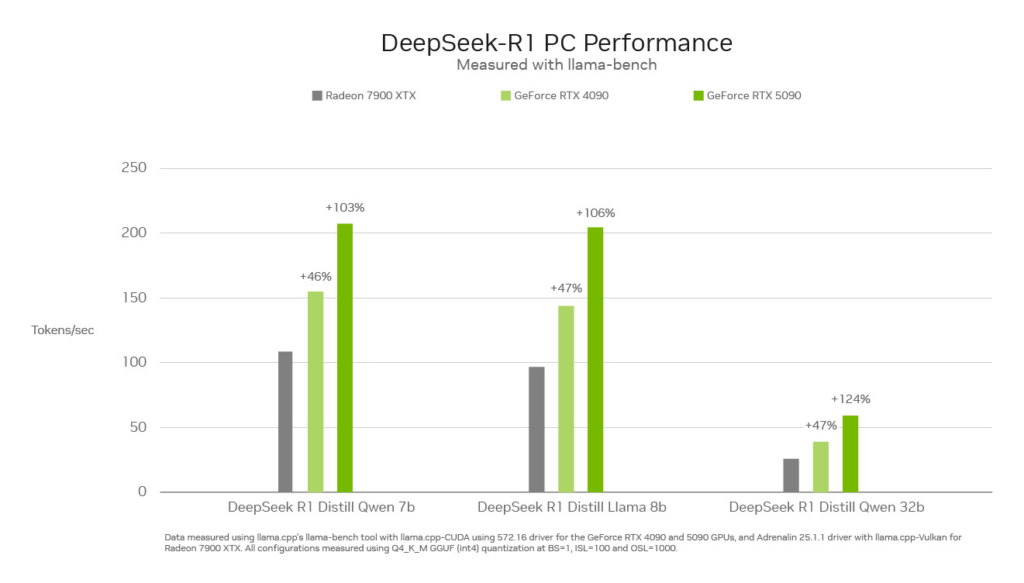
- Improved performance for LLM inference and AI tools
- Better rendering speeds in Blender
- Smoother editing in Premiere Pro & DaVinci Resolve
- Higher memory bandwidth for multitasking
This generation is excellent for creators and AI developers.
Memory and VRAM Improvements
The RTX 50-series introduces:
- GDDR7 memory
- Higher bandwidth for faster data access
- Lower latency
- Better sustained performance under load
This results in smoother gaming and faster AI/creator workloads.
RTX 50-Series Models (So Far)
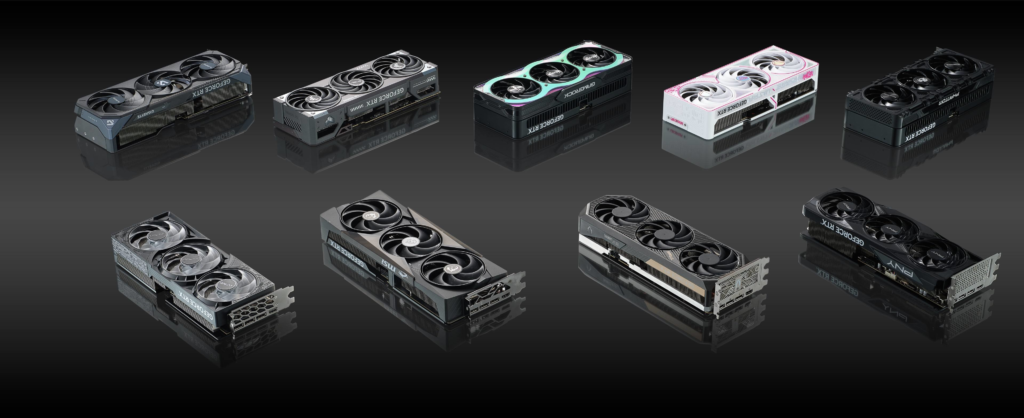
RTX 5090
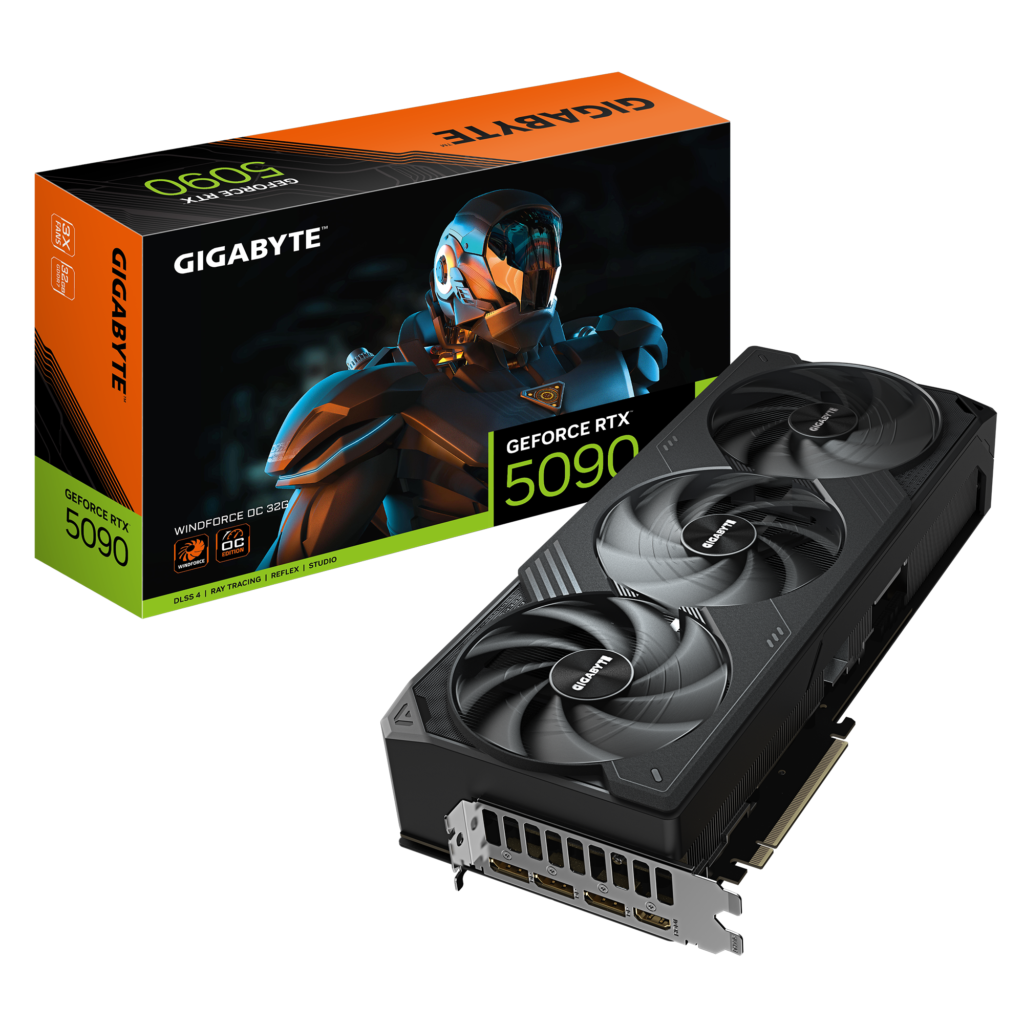
The RTX 5090 is the flagship of the 50-series, offering unmatched power for both gaming and AI workloads.
It features:
- 3352 AI TOPS — the highest of the entire lineup, making it ideal for large LLM inference, AI training, and advanced compute work.
- 32 GB GDDR7 VRAM — future-proof capacity for 8K gaming, massive textures, and heavy AI models.
- 1792 GB/sec memory bandwidth — the fastest bandwidth of any consumer GPU ever made.
- 5th-gen Tensor Cores & 4th-gen RT Cores — significantly better ray tracing and AI throughput than the 4090.
- 3× 9th-gen NVENC encoders + 2× 6th-gen NVDEC — incredible for streamers, video editors, and multi-stream workloads.
This is the ultimate GPU for extreme 4K/8K gaming, large-scale AI workloads, and creators who need maximum performance with zero compromises.
RTX 5080

A high-end GPU aimed at serious gamers and creators who want near-flagship performance without the 5090’s higher cost.
- 1801 AI TOPS — massive AI acceleration for LLMs, Stable Diffusion, and CUDA workloads.
- 16 GB GDDR7 — more than enough for modern AAA gaming at 1440p/4K and demanding pro apps.
- 960 GB/sec bandwidth — significantly higher than previous-gen flagships.
- Dual 9th-gen NVENC encoders — excellent for streamers and video professionals.
The RTX 5080 is perfect for 4K ultra gaming, heavy editing, and AI content creation, offering a powerful balance of performance and value.
RTX 5070 Ti
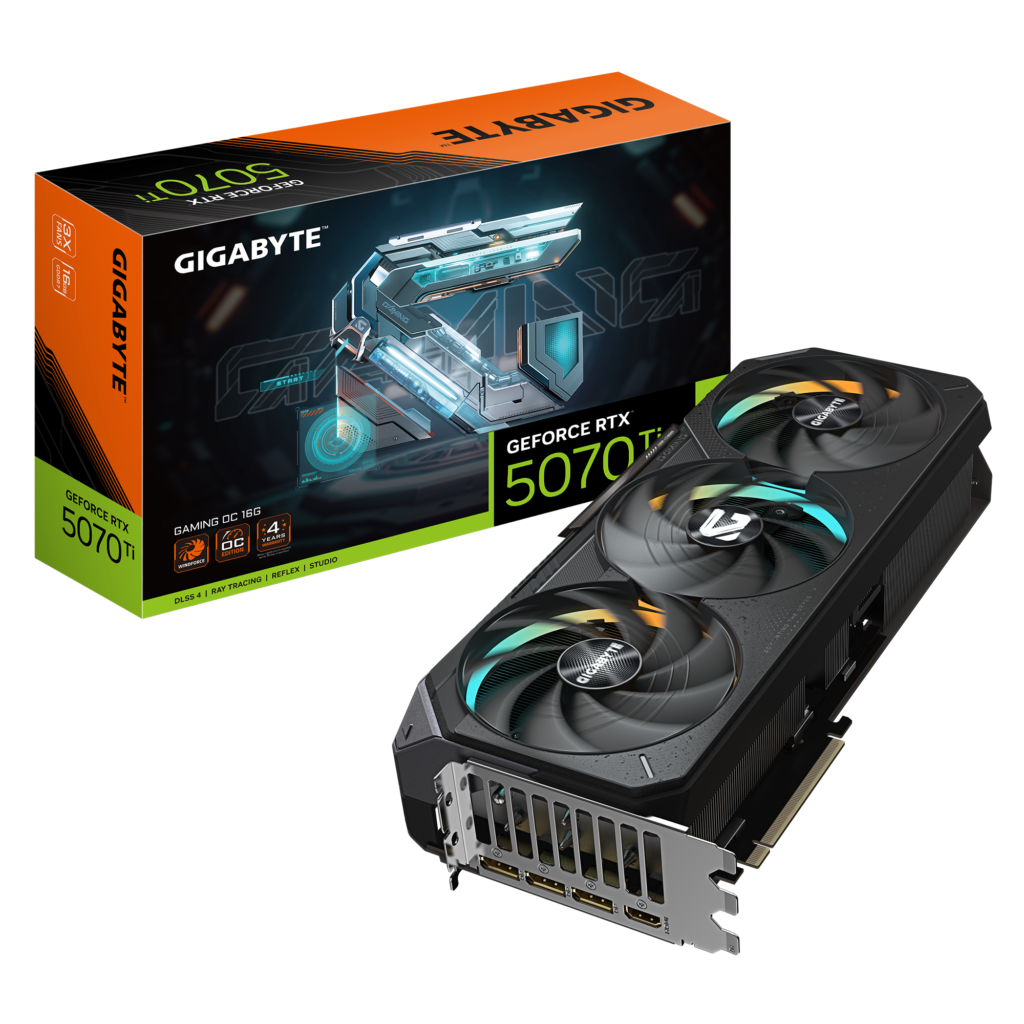
The 5070 Ti delivers exceptional mid-high performance, ideal for 1440p ultra gaming and entry-level 4K.
- 1406 AI TOPS — strong enough for fast AI inference and certain training workloads.
- 16 GB GDDR7 — great for future AAA titles and large texture packs.
- 896 GB/sec bandwidth — extremely fast for a mid-range card.
- 2× 9th-gen NVENC — solid for streaming and content creation.
This card is a sweet spot for gamers who want premium performance at a more accessible price.
RTX 5070
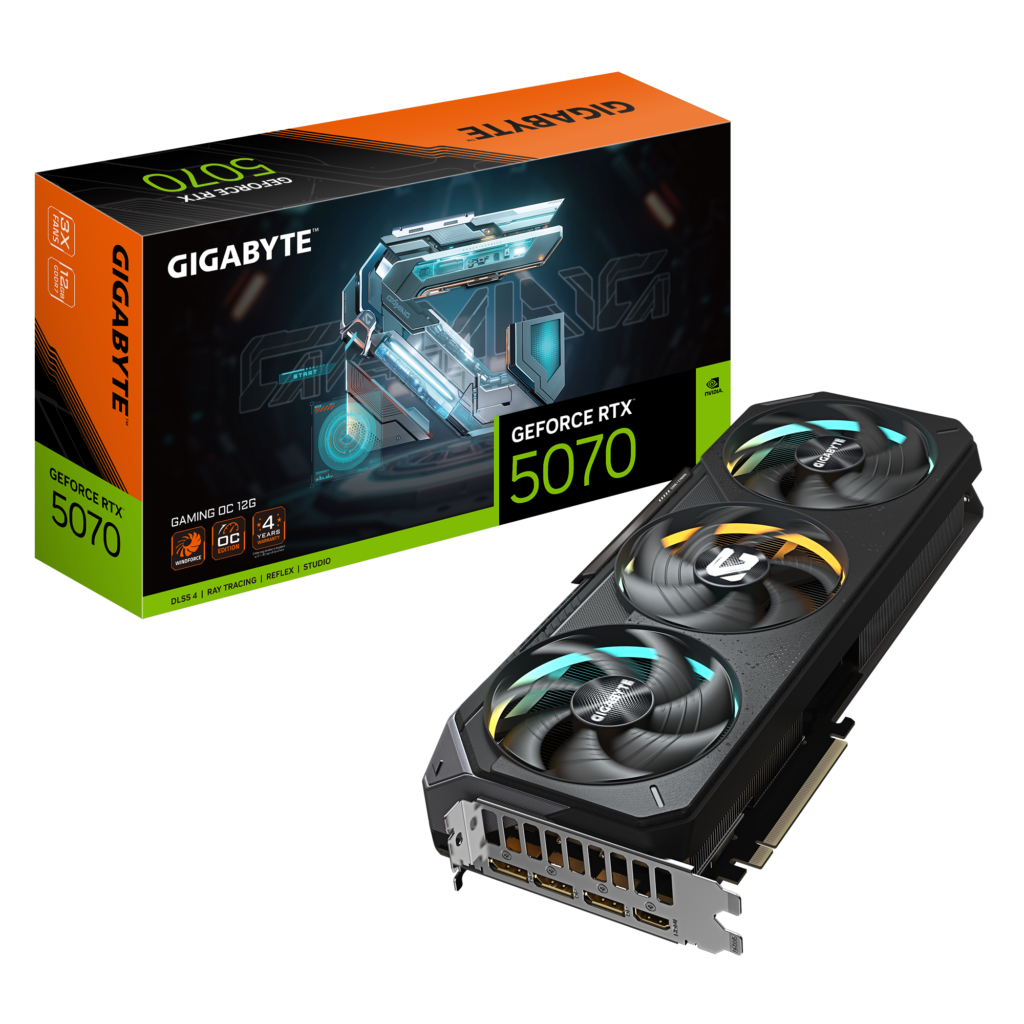
The best “value-performance” card of the lineup for most players.
- 988 AI TOPS — a big jump over the 4070 for AI developers and creators.
- 12 GB GDDR7 — perfect for 1080p and 1440p high/ultra gaming.
- 672 GB/sec bandwidth — excellent throughput for modern titles.
- 1× 9th-gen NVENC — capable streaming and video encoding performance.
The 5070 is ideal for players who want high FPS, strong ray tracing, and next-gen DLSS 4 performance without overspending.
RTX 5060 Ti
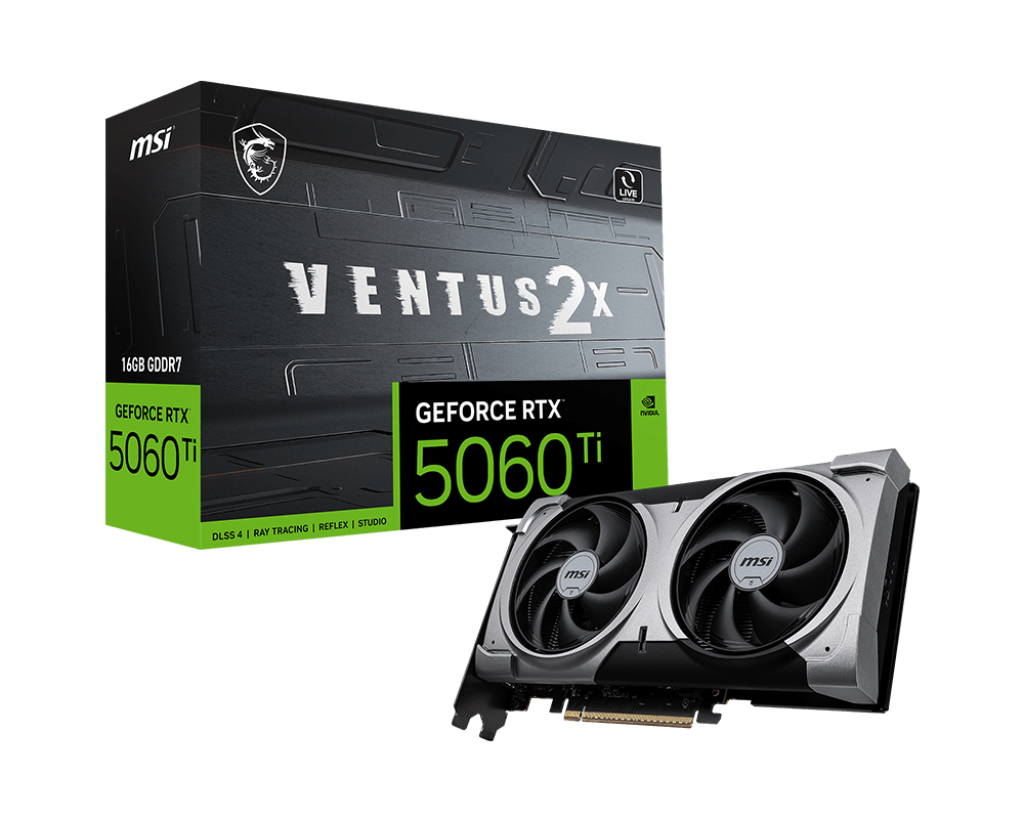
A mainstream powerhouse focused on efficiency and excellent 1080p/1440p gaming.
- 759 AI TOPS — strong performance for Stable Diffusion, LLaMA, and AI apps.
- 16 GB or 8 GB GDDR7 options — flexible based on budget and needs.
- 448 GB/sec bandwidth — enough for smooth performance in modern titles.
- 1× 9th-gen NVENC — good for streaming and general content creation.
The 5060 Ti hits a perfect mid-range slot: very fast, very efficient, and cost-effective.
RTX 5060
A budget-friendly card aimed at competitive gamers and mainstream users.
- 614 AI TOPS — better AI acceleration than previous mid-range cards.
- 8 GB GDDR7 — enough for esports, 1080p gaming, and general use.
- 448 GB/sec bandwidth — similar to the 5060 Ti, strong for its price.
- 1× 9th-gen NVENC — capable encoder for 1080p streaming.
The 5060 is ideal for players who want high FPS in games like Valorant, Fortnite, and Apex without breaking the bank.
RTX 5050
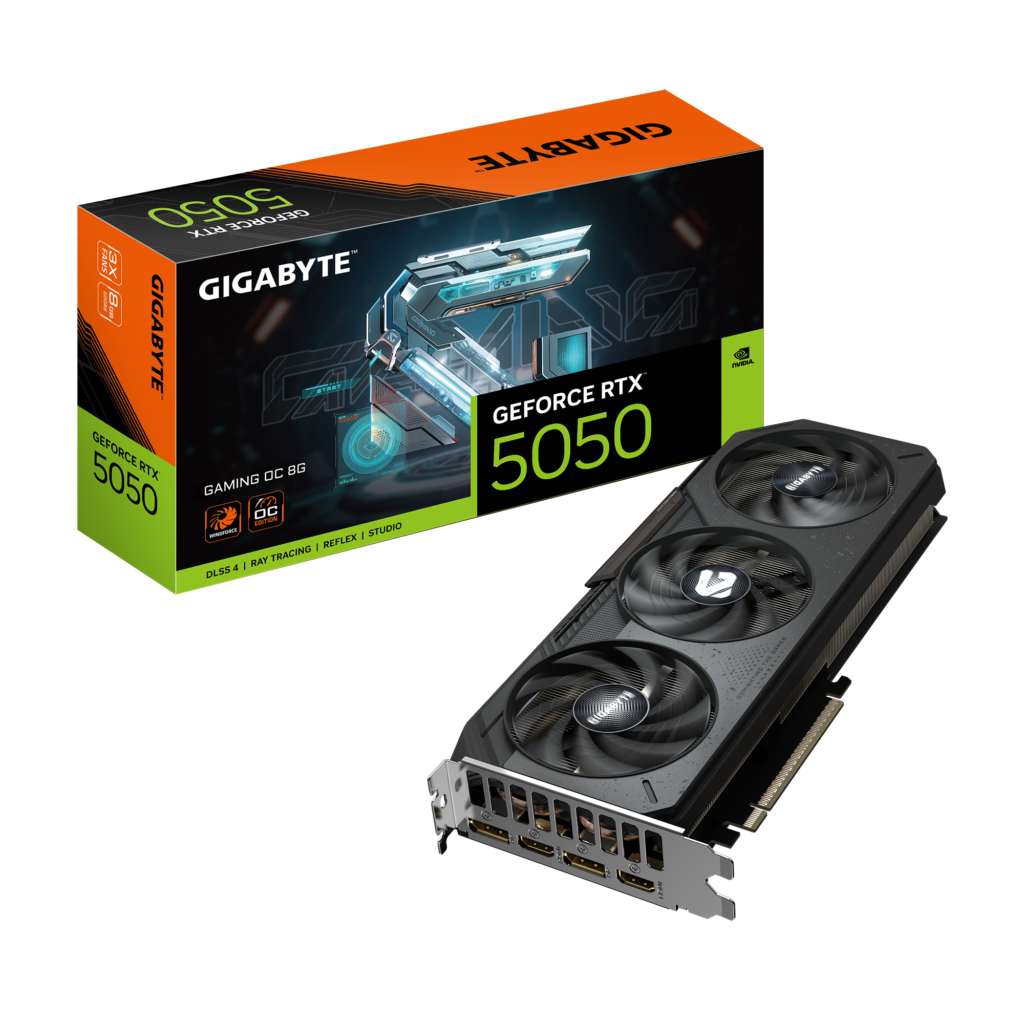
The entry-level Blackwell GPU for budget builds and everyday PC users, while still offering next-gen features.
- 421 AI TOPS — a huge improvement over the previous-gen entry cards.
- 8 GB GDDR6 — sufficient for esports and light AAA gaming.
- 320 GB/sec bandwidth — adequate for 1080p gaming on medium/high settings.
- 1× 9th-gen NVENC — great for simple streaming or recording gameplay.
The 5050 is the perfect starting point for beginners, students, casual gamers, and low-cost AI experimentation.
DLSS 4
DLSS 4 introduces:
- Higher FPS uplift
- Better motion reconstruction
- Sharper image quality
- Improved performance at high refresh rates
This is a major feature of the 50-series.
Power Efficiency
The Blackwell architecture focuses heavily on efficiency:
- Lower overall power draw
- Lower heat output
- Quieter performance
- Better thermals for compact builds
Final Verdict: Should You Upgrade?
The RTX 50-series is a strong upgrade for:
- Gamers at 1440p and 4K
- Video editors, 3D artists, and content creators
- AI developers or users working with LLMs or image models
- Anyone building a future-proof PC
If you’re using a 20-series or 30-series, the upgrade is huge.
If you’re on a 40-series, the improvements matter most for AI and ray tracing.
Build Your 50-Series PC with Nexium PC
Every PC we build is assembled in Guelph, Ontario with:
- Free local delivery
- 4–5 day build time
- Professional cable management
- Full warranty & support
Explore our 50-series PC builds today.